

Digital sovereignty is not just about protecting organizations against technological and geopolitical risks. It is about ensuring they can pursue opportunities, remain competitive, and fulfill their mission – even when conditions change.
Risk Apologists Focus Too Much on One Side of the Coin
The debate around digital sovereignty is dominated by warnings: geopolitical tensions, vendor lock-in, cyberattacks, foreign jurisdictions, and the possibility of losing access to critical technologies.
These risks are real. But focusing exclusively on what could go wrong misses the most relevant part of the picture. Business leaders are primarily concerned with what shall go right: growing revenues, reducing costs, improving productivity, and capturing new opportunities. They invest in global cloud platforms, AI, and software ecosystems because these technologies deliver tangible business value.
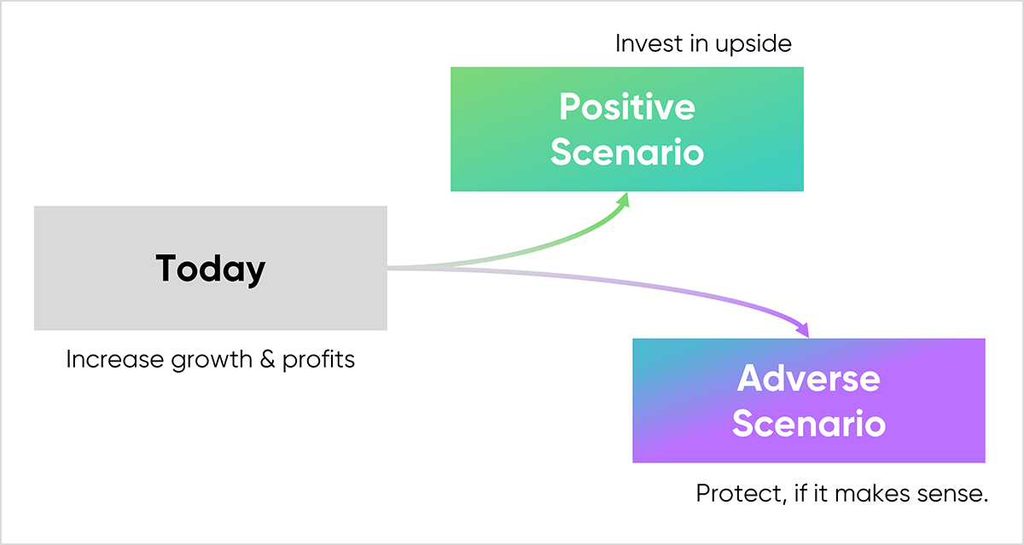
Risk advocates who focus exclusively on worst-case scenarios risk losing the attention of decision-makers who primarily have to deliver growth and performance.
ISO 10866 Provides Both Perspectives in One Analysis
Organizations must prepare for adverse scenarios while continuing to invest in positive ones. The objective is neither to maximize technological independence nor to minimize risk at any cost. It is to find the best balance between risk, cost, and capability. This is where ISO/IEC TS 10866:2024 provides a different perspective.
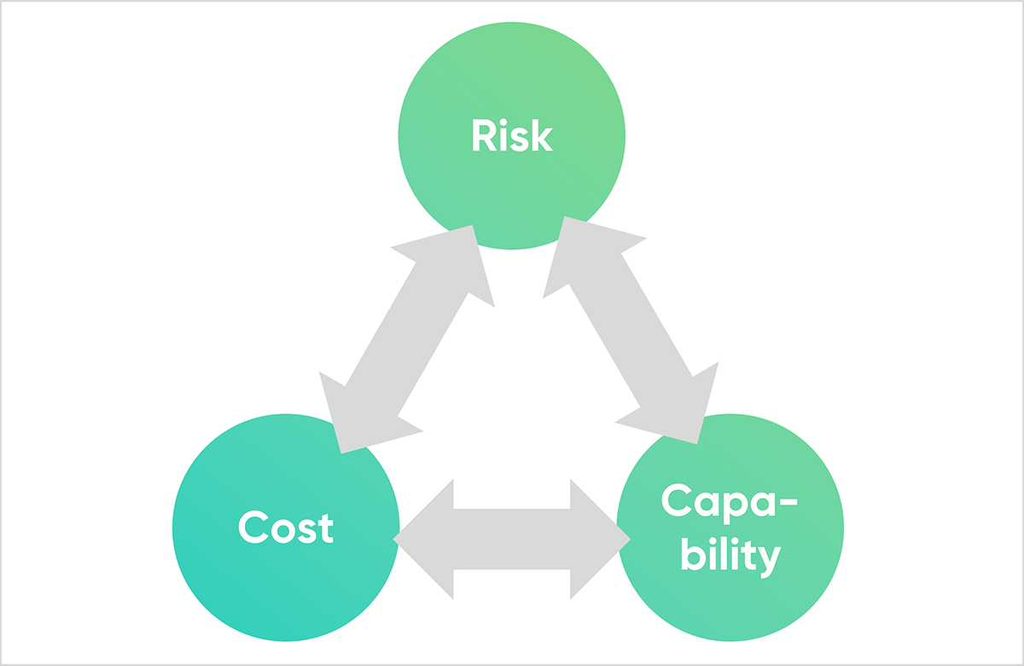
The technical specification introduces the concept of Organizational Autonomy: an organization's freedom of action to pursue its objectives.
Rather than focusing on the sovereignty of individual technology components, this perspective puts the organization's mission at the center.
What capabilities does the organization need to succeed? Which opportunities should it pursue? Which threats could compromise its mission? And how can technological dependencies be managed without sacrificing their benefits?
Positive and adverse scenarios belong in the same analysis – because they ultimately compete for the same management attention, resources, and investments.
From Component Sovereignty to Missionability
At cloud ahead, we build on ISO 10866 to translate this perspective into practical management decisions. Our approach combines business strategy, risk management, and technological expertise to identify solutions that strengthen organizational autonomy while reducing costs, improving performance, and unlocking new opportunities.
In our new whitepaper, Organizational Autonomy Action Plan, we introduce the methodology and illustrate it through five real-world examples.
The ambition is simple: Help organizations succeed in good times and remain capable of fulfilling their mission in bad times.